Roof Repairs Succasunna NJ for Ridge Caps, Sealants, and Shingles
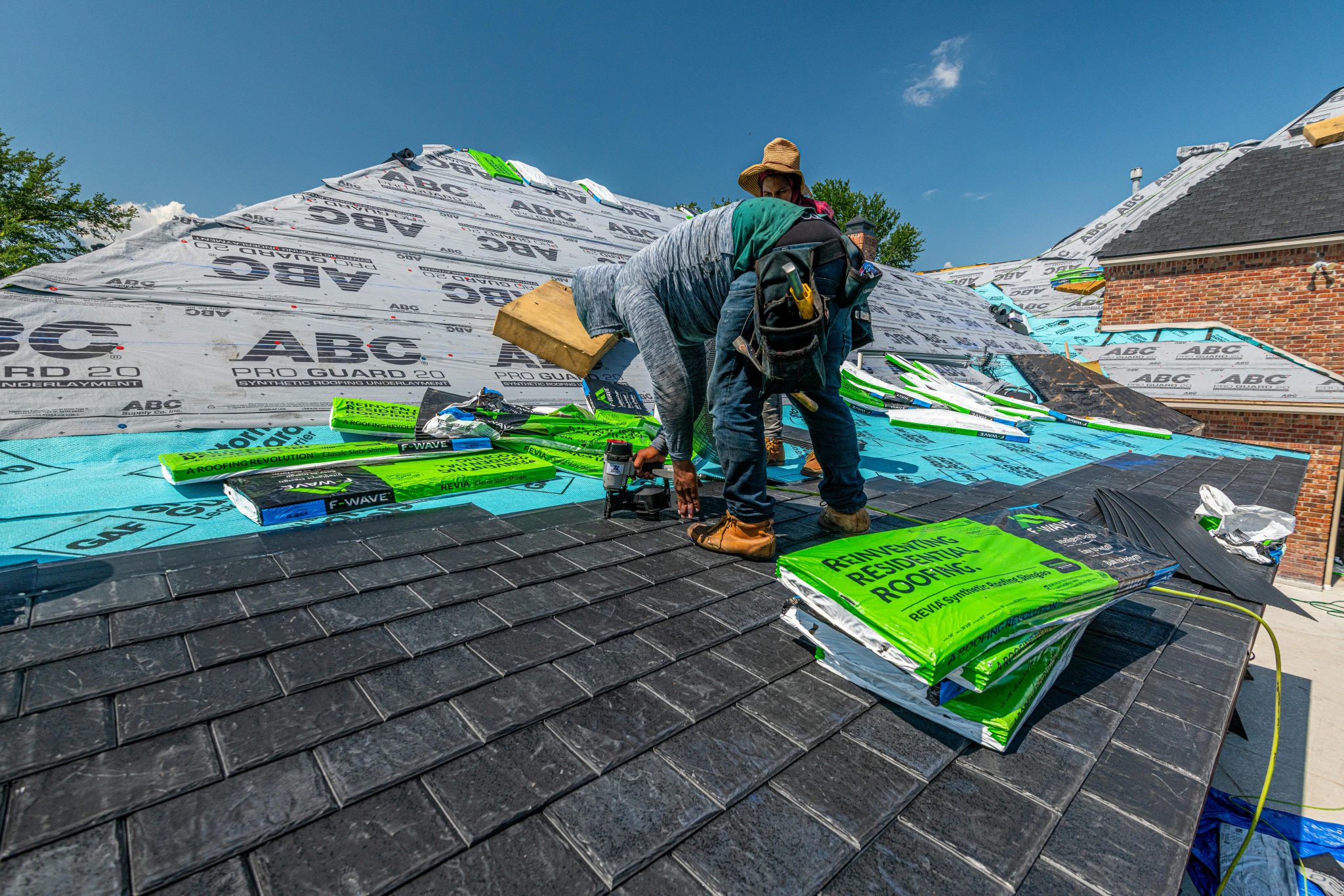
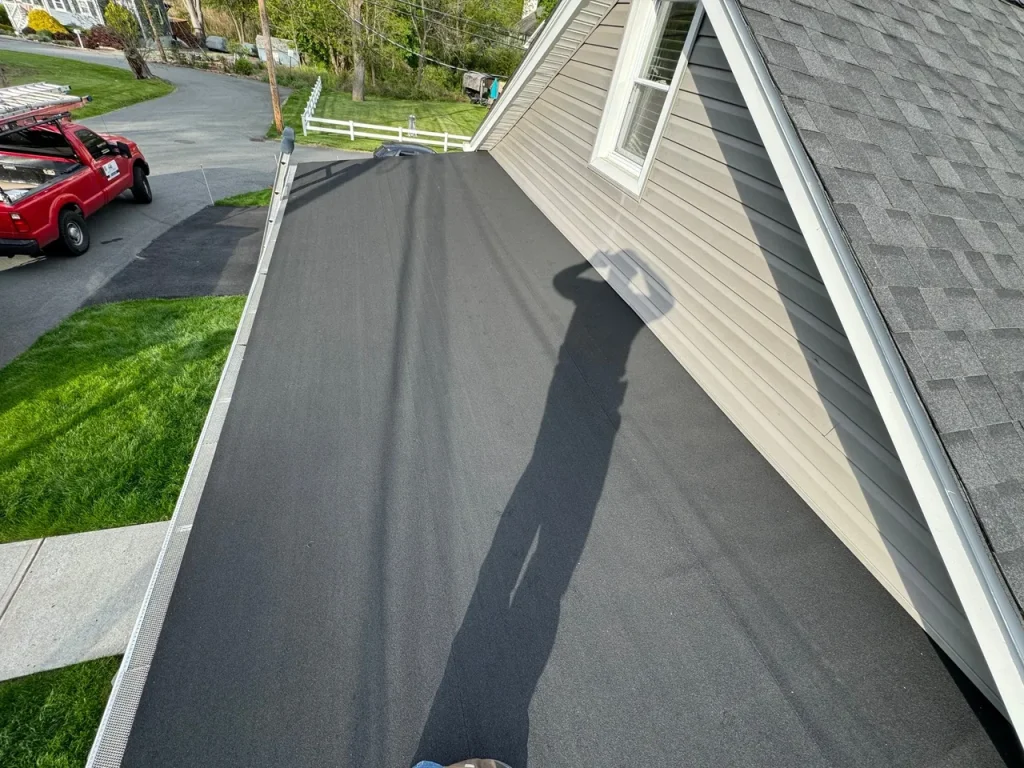
A roof rarely fails all at once. Most of the time, trouble starts in the details, along a ridge cap that loosened in winter wind, around a sealant joint that dried out after years of sun exposure, or beneath shingles that looked fine from the driveway but had already lost granules and flexibility. By the time a homeowner notices a brown spot on a ceiling or a drip near an attic vent, the repair itself is often straightforward. The real cost comes from waiting too long.
That pattern shows up often with Roof Repairs Succasunna NJ homes need after heavy rain, freeze-thaw cycles, and seasonal storms. Morris County roofs take a beating. Snow sits, melts, then refreezes. Summer heat bakes sealants. Wind catches the highest points first, especially ridge caps and exposed shingle edges. A repair that might have been limited to a few components in October can turn into decking replacement by February.
Not every roofing issue calls for a full replacement. In fact, many of the most common calls for Roof Repairs involve targeted work: replacing cracked ridge caps, resealing flashing transitions, swapping out missing or broken shingles, and tracing leaks that travel farther than expected. Good repair work depends less on speed and more on diagnosis. If the roofer fixes the visible symptom but misses the path water took to get there, the leak comes back and homeowners understandably lose faith.
Why ridge caps tend to fail first
The ridge is the highest point of the roof and one of the most exposed. Ridge caps are designed to cover the seam where two roof planes meet, while still allowing the roof to shed water and, in some cases, vent properly. Because they sit right at the top line, they catch more wind than field shingles. They also face more thermal movement. On hot days, the uppermost roof materials expand. On cold nights, they contract. Over time, nails can back out, adhesive strips can weaken, and the cap shingles themselves can split.
On homes in Succasunna, this often becomes visible after a windy storm. From the ground, a homeowner may see a lifted ridge cap or a cap section missing entirely. Sometimes there is no obvious gap, but water starts showing up in the attic near the peak. That is a clue worth taking seriously. Even a narrow opening at the ridge can let in wind-driven rain, especially during storms that hit from the side rather than straight down.
A solid ridge cap repair is not just a matter of nailing down whatever moved. The underlying ridge line has to be checked for rot, soft decking, and signs of previous patchwork. If the ridge vent is part of the assembly, that vent needs inspection too. One common mistake is treating the cap shingles as cosmetic trim rather than part of the weather barrier. They are small pieces, but they do an important job.
Material choice matters as well. Ridge caps made from cut-up three-tab shingles were common years ago, but purpose-made hip and ridge products usually hold up better because they are designed to bend cleanly and resist wind uplift. Color matching matters for appearance, of course, but performance matters more. A perfect color match does not help if the replacement piece is too brittle to survive the next cold snap.
The quiet failure of roof sealants
Sealants create a false sense of security because they look simple. A bead of roofing cement or flashing sealant can seem like an easy fix, and occasionally it is. But sealants age. They shrink, crack, harden, and lose adhesion. When they are used properly, they support a good flashing detail or reinforce a vulnerable transition. When they are used as a substitute for proper installation, they buy time and not much else.
This is especially true around chimneys, plumbing vents, skylights, and wall intersections. In those spots, a house depends on flashing geometry first, sealant second. If water has a clear downhill path under the shingles because step flashing was installed incorrectly, extra caulk is not going to solve it for long. It may slow the leak for a few weeks or months, but the failure is still there.
A lot of Roof Repairs Succasunna NJ homeowners request after a wet season involve old sealant work that has finally let go. Sometimes the original roof installation was decent, but ten or fifteen years of exposure dried out the sealant at the top edge of flashing. Sometimes a handyman or previous owner applied a generous patch over a problem area, and the patch trapped water rather than redirecting it. That kind of repair can make diagnosis harder because it hides the original detail underneath layers of mastic and debris.
The best approach is usually to remove failed sealant carefully, inspect the flashing beneath, and rebuild the detail in a way that does not depend entirely on caulk. New, compatible sealant can then be used where it belongs, at counterflashing joints, exposed fastener heads when appropriate, or manufacturer-approved transition points. It is less dramatic than smearing on a heavy coating, but it lasts longer.
Shingles tell the story if you know what to look for
Homeowners often focus on obvious missing shingles, and that makes sense because they are easy to spot. But shingles communicate failure in quieter ways too. Granule loss in isolated patches can point to impact damage or advanced wear. Curled edges suggest age, poor attic ventilation, or both. Cracking can mean the shingles have become brittle. Dark streaks are often cosmetic, but uneven staining can also hint at moisture patterns. A shingle that lies flat in warm weather but lifts in cold wind may be on the verge of breaking.
Not every damaged shingle creates an immediate leak. That is part of what makes roof maintenance tricky. A roof can be compromised long before water reaches living space. Underlayment may be catching what the shingle system no longer sheds properly. Nails may still be holding, but the shingle tab above them may have loosened enough to let in wind-driven rain. By the time water stains appear indoors, the roof has often been sending signals for a while.
In Succasunna, asphalt shingle roofs are common, and repair decisions usually depend on three factors: the age of the roof, the extent of the damage, and whether matching materials are still available. Replacing a handful of storm-damaged shingles on a seven-year-old roof is usually sensible. Performing piecemeal repairs across a roof that is already two decades old becomes harder to justify, especially if multiple slopes show wear. There is no universal cutoff, but roof age changes the math.
A careful repair also takes the surrounding shingles into account. Pulling and replacing one damaged tab in the middle of a brittle field can break adjacent pieces, especially in cold weather. Experienced roofers know when to use hand-sealing techniques, when to wait for warmer conditions, and when a small repair zone should be expanded to avoid creating a patchwork weak spot.
Leak paths are often deceptive
One of the more frustrating parts of roof work is that the leak inside the house is not always located directly below the failure outside. Water travels. It runs along rafters, follows the underside of decking, and collects at low points before dripping onto insulation, drywall, or framing. A stain near a bedroom window might originate several feet higher on the roof. Moisture around a bathroom fan could be a flashing issue, a vent boot crack, or attic condensation that only appears to be a roof leak.
That is why the inspection matters as much as the repair. A proper assessment usually includes the roof exterior, attic conditions if accessible, flashing points, penetrations, and the moisture pattern inside the home. On some calls, the problem is obvious within minutes. On others, it takes time to separate old staining from active leakage and determine whether the issue came from wind damage, age, ice backup, or workmanship.
Ice dams deserve a brief mention here because they still cause confusion. The ice itself is not always the root cause. Heat loss from the attic melts snow higher up on the roof, water runs down to colder eaves, and refreezes there. As the ice builds, it can force water back under the shingles. Homeowners sometimes assume the gutter caused the leak, but the bigger issue is usually a combination of insulation, ventilation, and weather conditions. A roofer can repair the affected shingle and underlayment area, but long-term prevention may require attic improvements too.
When a repair is enough, and when it is not
There is an art to telling a homeowner the truth about a roof. Some contractors oversell replacement because it is more profitable. Others keep patching roofs that are already past their useful life because that is what the customer wants to hear. Neither approach serves the homeowner well.
A repair is usually appropriate when the problem is localized, the surrounding roofing system is still serviceable, and the damaged area can be integrated without compromising the rest of the roof. A missing shingle section after a storm, a cracked vent boot, loose ridge caps, or isolated flashing failure often falls into that category.
A repair becomes less practical when the roof shows broad material fatigue, widespread nail pops, recurring leaks in different areas, soft decking in multiple locations, or previous patching that has reached the point of diminishing returns. If one slope has already been repaired three times and adjacent areas are beginning to fail, it may be more honest to discuss replacement planning rather than keep spending money on short-lived fixes.
That does not mean every older roof needs immediate replacement. Some twenty-year-old roofs are hanging on surprisingly well because they were installed carefully, ventilated properly, and have favorable sun exposure. Others are in rough shape after twelve or fifteen years because of poor workmanship, low-grade materials, shade-related moisture retention, or storm exposure. Condition matters more than age alone, though age still matters.
What homeowners in Succasunna can check safely from the ground
No one should climb onto a roof casually, especially after rain, snow, or wind. But there is plenty a homeowner can observe from the ground or from attic access without taking unnecessary risks. Looking up after a storm often reveals more than people expect. A ridge line that looks uneven, shingle tabs that appear out of alignment, or debris concentrated in one area can all justify a closer look.
Inside the attic, if it is accessible and safe, signs of trouble often include dark water trails on decking, damp insulation, daylight at penetrations or along the ridge, and rusty nail tips accompanied by moisture. A musty smell after rain can be a clue as well. The goal is not to diagnose everything personally. It is to notice changes early enough that a small repair stays small.
A short, practical rule works well here:
- Check ceilings and attic areas after major storms.
- Look for shingle pieces or unusual granule buildup near downspouts.
- Pay attention to ridge caps, flashing areas, and roof penetrations from the ground.
- Act on small stains or drips quickly, before they spread.
- Get recurring leak areas inspected even if the last storm passed without issue.
That kind of routine saves money more often than any miracle coating or emergency patch product sold at a hardware store.
The value of matching repair methods to the season
Timing affects roof repair quality. Spring and fall are generally more forgiving because temperatures allow shingles to flex and seal without the extreme brittleness of winter or the soft, scuff-prone heat of midsummer. That said, roofs do not wait for ideal weather. If a cap blows off in January or a leak opens during a cold rain, temporary protection may need to happen immediately, followed by a more permanent repair when conditions improve.
Winter roof work requires extra care. Shingles can crack during handling, seal strips may not activate right away, and snow or frost can obscure the true extent of damage. Summer brings a different challenge. Shingles can become overly pliable, and foot traffic can mar the surface or dislodge granules if workers are careless. Good roofers adjust technique to the season instead of pretending roof repairs are the same year-round.
That seasonal judgment matters in Succasunna. A repair done correctly in October may look almost identical to one done hastily in late February, but the difference shows up months later. Fastening patterns, https://josuepytm038.image-perth.org/roof-repairs-succasunna-nj-what-causes-roof-leaks-most-often hand sealing where needed, and checking for hidden moisture beneath the surface all affect whether the fix holds.
Small components, big consequences
Some of the most expensive interior damage starts with a very small roofing failure. A cracked pipe boot collar can direct water into insulation for weeks. A single raised nail at a ridge cap can create an entry point that only leaks during wind-driven rain, making it hard to trace. A loose shingle near a valley may not seem urgent until it channels water into a seam during the next storm cycle.
This is where professional judgment matters more than broad labels like “minor” or “major.” A repair may cover only a few square feet, but if it sits at a critical water-shedding transition, it deserves careful workmanship. Valleys, ridges, step flashing, wall tie-ins, and penetrations all require more attention than a simple field shingle swap in the middle of an open slope.
Homeowners sometimes ask why a ridge cap or sealant repair costs what it does when the material itself seems inexpensive. The answer is that the labor is in access, diagnosis, and precision. The shingle or tube of sealant is not the expensive part. Knowing what to remove, what can stay, how to maintain the roof’s water-shedding sequence, and how to avoid damaging adjacent materials is what the customer is actually paying for.
What a sound repair should accomplish
A proper roof repair should do more than stop the immediate leak. It should restore the intended function of the roofing system in that area. That means the water should shed correctly, the materials should be compatible, the fasteners should be appropriate, and the repaired section should not create a new weak point beside it.
For homeowners discussing Roof Repairs with a contractor, a few questions are worth asking in plain language. Is the issue confined to one area, or are there signs of broader wear? Will the repair address the flashing or underlayment if needed, or only the surface shingle? Are matching materials available? If not, what is the closest equivalent in terms of performance? Is there evidence of decking damage underneath? A contractor who can answer those questions clearly is usually thinking about the roof as a system rather than a patch target.
It also helps when expectations are honest. Not every repair disappears visually, especially on an older weathered roof where new shingles have not yet blended in. A slight color variation can be normal. Performance matters first. On the other hand, visibly sloppy work, excessive roofing cement smeared across shingles, crooked cap lines, or exposed unsealed fasteners are not signs of craftsmanship. They are warning signs.
Keeping repairable roofs in service longer
A well-maintained asphalt roof can often deliver years beyond what homeowners expect, especially if small issues are corrected before moisture reaches the deck. That means staying ahead of ridge cap wear, replacing failed sealants before they crack wide open, and addressing isolated shingle damage before adjacent pieces loosen.
One useful habit is pairing roof awareness with other seasonal home tasks. When gutters are cleaned, take a look at the roofline. When attic storage is accessed, glance at the decking and insulation. When a storm drops branches in the yard, scan the roof from several angles. These are not major maintenance events. They are simply opportunities to catch warning signs.
For many homes, Roof Repairs Succasunna NJ specialists perform are not about dramatic storm recovery. They are about preserving a roof that still has useful life left. Ridge caps, sealants, and shingles may seem like small components when viewed one by one. In practice, they are where weather meets workmanship. When those details are handled correctly, the whole roof performs better. When they are ignored, water finds a way in.
A roof does not need perfection to protect a house, but it does need its vulnerable points taken seriously. On roofs in Succasunna, those vulnerable points often show up first at the ridge, around sealants, and across aging shingles. Catch them early, repair them correctly, and a manageable service call stays just that, manageable.
Royalty Exteriors
Address: 151 NJ-10 Ste 103A, Succasunna, NJ 07876
Phone number: +19733337234
FAQ About Roof Repairs Succasunna NJ
How much should I pay for roof repairs?
Most homeowners pay an average of $900 to $1,200 for roof repairs, with typical projects ranging from $150 to $3,000+ depending on the severity of the damage.
What are the most common roof repairs?
The most common roof repair is fixing water leaks by replacing damaged, cracked, or missing asphalt shingles and sealing compromised flashing.
Does homeowners insurance pay for roof repairs?
Homeowners insurance pays for roof repairs only if the damage is sudden and accidental, such as from a storm, hail, or a falling tree.